
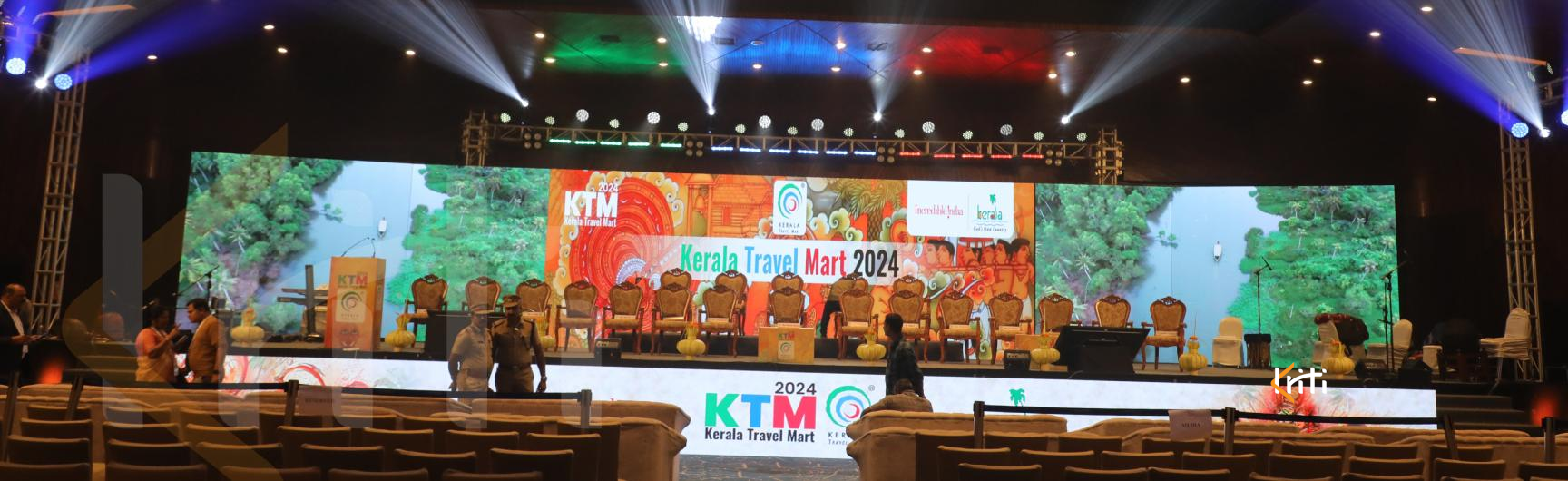
Corporate events – ranging from strategic leadership retreats and product launches to large-scale incentive trips and milestone celebrations- are powerful investments. They foster team alignment, drive brand authority, and reward high-performing talent. However, orchestrating a successful corporate gathering requires far more than booking a venue and setting an agenda. It demands rigorous strategic planning, flawless logistical coordination, and meticulous risk management.
Whether you are organizing a high-impact executive getaway within Kerala, a pan-India corporate conference, or an international incentive trip overseas, this comprehensive, step-by-step tutorial is designed to help business leaders, HR professionals, and project managers execute flawless corporate events.
Brought to you by Kriti Event Tours and our specialized corporate travel division, Kriti Tours & Travels, this guide walks you through the exact framework needed to turn your corporate vision into an unforgettable reality.
Phase 1: Establishing Objectives and Defining the Scope
Every successful corporate event begins with a clear, measurable purpose. Before looking at resort brochures or flight schedules, you must define the “Why?” and the “Who.”
1. Identify the Primary Objective
- What is the goal? Is the event designed for team building, strategic planning, client acquisition, or employee recognition (incentive travel)?
- Align Metrics: Establish what success looks like. Is it post-event attendee satisfaction scores, networking outcomes, or completed strategic frameworks?
2. Determine the Scale and Geographic Scope
- Local & Regional (Kerala): Ideal for intimate executive getaways, backwater corporate retreats, or regional team-building workshops.
- Pan-India Circuits: Perfect for national sales meetings, cross-branch conferences, or multi-city corporate gatherings.
- International Destinations: Best for high-tier executive retreats, global board meetings, and top-tier incentive reward trips.
Phase 2: Budgeting and Financial Frameworks
An uncontrolled budget is the number one cause of corporate event failure. Building a realistic, transparent financial structure early ensures you deliver maximum ROI without unexpected overspending.
1. Categorize Your Expenses
Break your budget down into core operational pillars:
- Venue & Accommodation: Conference halls, breakout rooms, and hotel/resort stays.
- Travel Logistics: Flight, train, or bus reservations, airport transfers, and group ground transportation (coaches or tempo travellers).
- F&B (Food & Beverage): Welcome dinners, working lunches, coffee breaks, and gala banquets.
- Technology & Production: Audio-visual (AV) equipment, staging, high-speed internet, and hybrid streaming setups.
- Contingency Fund: Always set aside an unallocated 15% buffer for last-minute emergencies, currency fluctuations (for international trips), or unexpected service fees.
Phase 3: The Logistics Engineering Phase (The Kriti Framework)
Corporate travel and event management require seamless operational execution. This is where partnering with an end-to-end provider like Kriti Tours & Travels makes all the difference. You must meticulously coordinate ten key operational areas:
- Corporate Travel Management: Ensuring seamless ticketing, corporate policy compliance, and executive scheduling.
- Hotel & Resort Bookings: Securing professional, comfortable, and well-equipped accommodations that cater to both work and relaxation.
- Group Tours & Incentive Trips: Managing group dynamics, synchronized arrivals, and structured reward itineraries.
- Flight, Train & Bus Reservations: Locking in optimal travel timings to minimize downtime and fatigue for attendees.
- Visa Assistance & Travel Insurance: Managing passports, visa documentation, and comprehensive business travel insurance for international events.
- Airport Transfers & Luxury Transportation: Pre-booking professional ground transit so executives and delegates arrive refreshed and on schedule.
- Destination Coordination: Leveraging local expertise for on-ground vendor management, security, and permitting.
- Customized Itinerary Design: Balancing intensive workshop hours with downtime, leisure, or cultural exploration.
- Pilgrimage & Spiritual Tours Integration (Optional for Corporate Retreats): For organizations incorporating cultural heritage or wellness circuits into their retreat.
- Event Travel & Gala Management: Coordinating grand evening celebrations, awards ceremonies, or networking galas.
Phase 4: Chronological Master Checklist for Corporate Planning
To ensure nothing slips through the cracks, use this phased timeline to keep your planning team on track:
| Timeline Phase | Key Milestones & Action Items | Pro-Tip from Our Experts |
| 6 Months Prior | Define event objectives, secure executive sign-off, set budget, and lock in primary venue dates. | Secure early-bird airline block bookings and premier resort spaces. |
| 3 Months Prior | Finalize detailed daily agendas, initiate visa paperwork for international events, and open attendee registration. | Communicate dress codes and travel guidelines clearly to all delegates. |
| 1 Month Prior | Confirm exact headcount, review F&B dietary restrictions, test all AV and tech equipment, and lock in ground transfer manifests. | Conduct a dry run or virtual walkthrough of the primary conference agenda. |
| Week of Event | Finalize vendor check-ins, distribute digital/physical welcome packets, and monitor weather/travel advisories. | Designate a single on-ground lead for emergency troubleshooting. |
Phase 5: Mitigating Common Corporate Event Pitfalls
Even the best-laid plans can encounter friction. Proactively avoid these common corporate event mistakes:
- Over-Programming the Agenda: Packing every single hour with back-to-back meetings leads to cognitive fatigue. Always build buffer times and networking breaks into the daily schedule.
- Neglecting Attendee Communication: Failing to provide clear instructions regarding travel itineraries, baggage allowances, or session locations causes widespread confusion. Use centralized digital welcome guides.
- Ignoring Technology Failures: Never assume a venue’s Wi-Fi or AV system is sufficient without testing it beforehand. Always have offline backups and redundant internet hotspots.
Conclusion: Elevate Your Next Corporate Event
Planning a corporate event is a reflection of your company’s standard of excellence. Whether you are hosting a high-impact executive retreat, a rewarding incentive trip, or a large-scale conference across Kerala, India, or an international destination, you do not have to manage the complexities alone.
At Kriti Event Tours and Kriti Tours & Travels, we combine meticulous corporate travel logistics with professional event engineering. We don’t just plan meetings – we create powerful, seamless experiences that drive business success and leave lasting impressions.
Ready to Elevate Your Next Corporate Gathering?
👉 [Book Your Corporate Consultation Today] or [Talk to Our Travel & Event Experts] to design a custom corporate package tailored to your organization!