
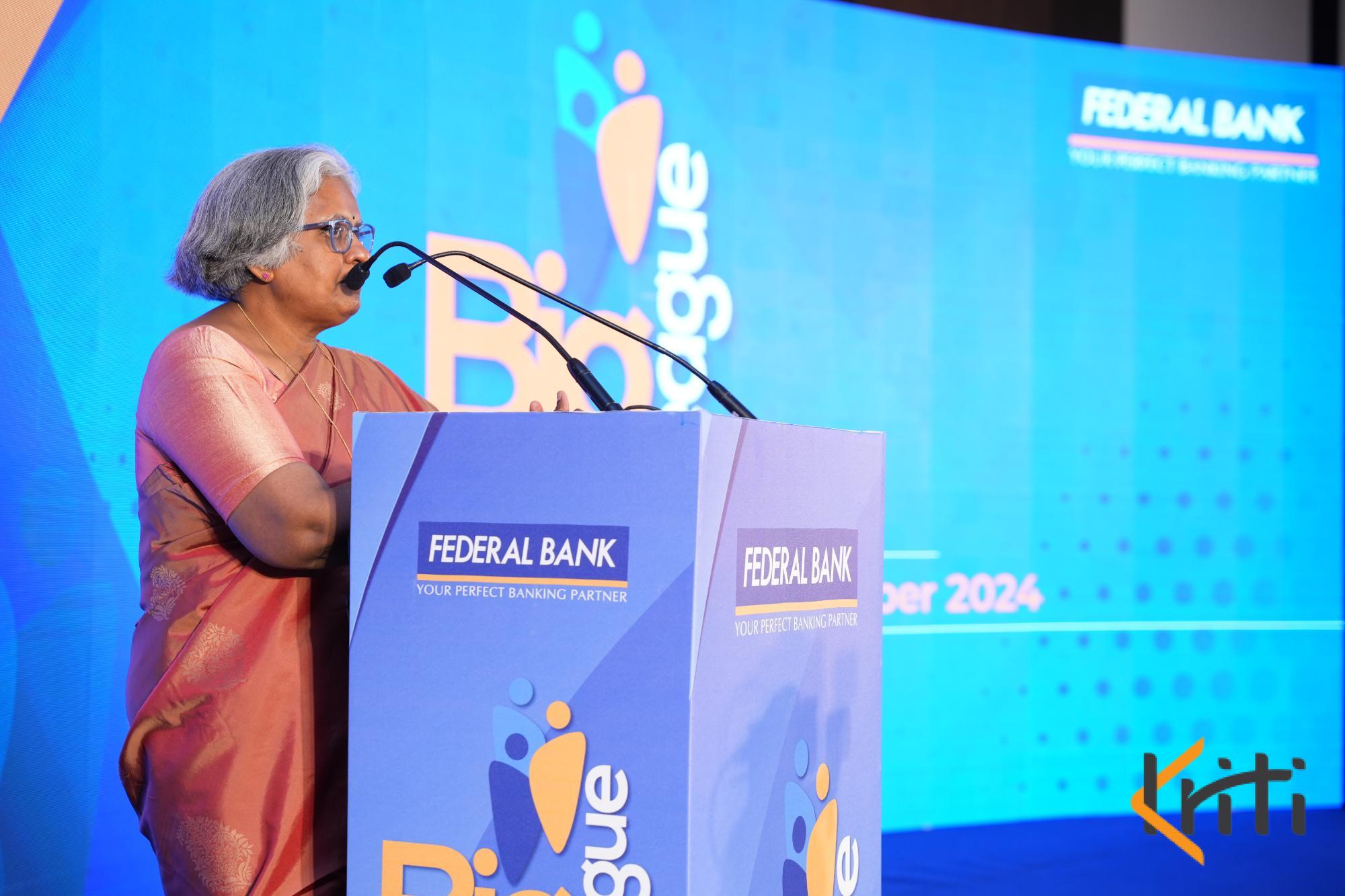
A Practical Guide to Planning, Managing & Executing International Conferences
Planning an international conference from India involves much more than selecting a venue and inviting delegates. Organizers need to coordinate multiple destinations, international participants, speakers, technology, registration, travel, logistics, production, communication, and on-site operations while maintaining a consistent experience throughout the event.
Whether you are planning a corporate conference, medical congress, industry summit, association meeting, government conference, business forum, or international convention, careful planning is essential to delivering a professional and successful event.
For organizations based in India, an experienced event management partner can help coordinate the different elements involved in an international conference while allowing the organizing team to remain focused on the event’s core objectives.
Here is a step-by-step guide to planning an international conference from India.
1. Define the Conference Objectives
Every successful conference begins with a clear purpose.
Before selecting a destination or venue, determine what the conference is expected to achieve.
Your objectives could include:
- Knowledge sharing
- Industry networking
- Business development
- Product or service launches
- Stakeholder engagement
- Leadership discussions
- Training and education
- Scientific or medical knowledge exchange
- Government or institutional collaboration
- International market development
Clearly defined objectives help guide decisions around the destination, audience, programme, budget, technology, and event format.
2. Understand Your International Audience
International conferences often bring together participants from different countries, industries, cultures, and professional backgrounds.
Understanding the audience helps organizers make better decisions about the event experience.
Consider:
- Expected number of delegates
- Countries represented
- Professional profiles
- Language requirements
- Accessibility requirements
- Travel expectations
- Accommodation preferences
- Networking requirements
- Cultural considerations
- Virtual participation requirements
A conference designed for international delegates should provide clear communication and a consistent experience from registration through departure.
3. Choose the Right Conference Destination
The destination can have a significant influence on attendance and the overall conference experience.
When selecting a destination, consider:
Accessibility
Evaluate airport connectivity, transportation options, and ease of travel for domestic and international delegates.
Venue Infrastructure
The venue should have appropriate conference rooms, breakout spaces, networking areas, registration facilities, technical infrastructure, and accommodation options where required.
Hospitality
International delegates often expect reliable accommodation, transportation, dining, and guest support.
Destination Experience
Adding local cultural, tourism, or leisure experiences can make the conference more memorable, particularly when delegates are travelling internationally.
Operational Support
The availability of experienced local suppliers and event professionals can simplify venue coordination, production, logistics, and on-site execution.
4. Select the Conference Venue
Once the destination is selected, the next step is identifying the right venue.
A professional conference venue should be evaluated based on:
- Main conference hall capacity
- Breakout rooms
- Stage and production possibilities
- Audio and video infrastructure
- Internet connectivity
- Registration areas
- Exhibition space
- Networking areas
- Dining facilities
- VIP facilities
- Accessibility
- Parking and transportation
- Accommodation proximity
The venue should support both the planned programme and the expected delegate experience.
5. Build a Detailed Conference Programme
An effective programme balances educational content, business objectives, networking, and attendee engagement.
Depending on the type of conference, the programme may include:
- Opening ceremony
- Keynote presentations
- Panel discussions
- Technical sessions
- Workshops
- Breakout sessions
- Networking sessions
- Product demonstrations
- Exhibition visits
- Awards
- Gala dinners
- Cultural entertainment
For international conferences, allow sufficient time for networking and informal interaction between delegates from different markets.
6. Manage International Speakers & Delegates
Speakers are often one of the most important components of a conference.
Speaker management may involve:
- Speaker invitations
- Travel coordination
- Accommodation
- Presentation collection
- Technical requirements
- Session scheduling
- Airport transfers
- On-site speaker support
- Virtual participation arrangements
International speakers may also have specific technical, travel, communication, or scheduling requirements that need to be addressed well before the event.
A centralized speaker management process helps reduce last-minute complications.
7. Set Up Online Conference Registration
Registration is often the first direct interaction delegates have with the conference.
A professional registration system should make it easy for participants to:
- Register online
- Select delegate categories
- Make payments
- Receive confirmation
- Submit required information
- Access conference details
- Receive event updates
- Complete on-site check-in
For medical conferences, association events, and large international conventions, registration systems may also need to support multiple categories, scientific sessions, abstracts, workshops, or special access requirements.
8. Plan Delegate Management & On-site Check-in
Conference registration does not end when a participant submits an online form.
On-site operations may include:
- Delegate verification
- QR code scanning
- Badge printing
- Registration counters
- Help desks
- Walk-in registration
- Delegate kit distribution
- Attendance tracking
- Session access management
A well-organized check-in process reduces queues and creates a positive first impression when delegates arrive at the venue.
9. Plan Conference IT & Technology
Technology plays a central role in modern international conferences.
Depending on the event format, organizers may require:
- High-speed Wi-Fi
- Registration computers
- Printers
- Networking infrastructure
- Live webcasting
- Video conferencing
- Presentation systems
- Digital event schedules
- Hybrid participation platforms
- Technical support
For hybrid conferences, technology planning becomes even more important because remote participants need an experience that connects effectively with the physical event.
10. Design Professional Event Production
The stage and production environment should reflect the importance and identity of the conference.
Conference production can include:
- Stage design
- LED walls
- Digital backdrops
- Event branding
- Lighting
- Professional sound systems
- Presentation screens
- Video playback
- Speaker confidence monitors
- Live production
- Technical control systems
A well-designed production environment improves visibility, supports speakers, and creates a professional experience for both physical and remote audiences.
11. Coordinate Exhibition & Sponsorship Areas
Many international conferences include exhibitions where sponsors, industry partners, or exhibitors showcase their products and services.
Conference exhibition management can involve:
- Exhibition floor planning
- Modular stalls
- Custom exhibition booths
- Sponsor branding
- Digital displays
- Product demonstration areas
- Visitor flow planning
- Exhibitor coordination
- Power and technical infrastructure
The exhibition should be integrated into the conference journey without disrupting the main programme.
12. Arrange International Delegate Transportation
Transportation is an important part of the delegate experience.
An international conference may require:
- Airport transfers
- Hotel-to-venue transportation
- Executive vehicles
- Group transportation
- Speaker transfers
- VIP transportation
- Sightseeing transfers
- Departure coordination
A detailed transportation schedule helps ensure delegates reach each programme location on time.
13. Plan Conference Logistics
Large conferences involve the movement of people, equipment, materials, documents, and suppliers.
Logistics planning can include:
- Production equipment transportation
- Delegate kit distribution
- Branding material delivery
- Exhibition material movement
- Loading and unloading
- Vendor access
- Storage
- Equipment scheduling
- Venue access coordination
- On-site operational support
The objective is to ensure every resource reaches the right location at the right time.
14. Create a Communication & PR Strategy
An international conference should be communicated well before the event begins.
Conference communication can include:
Before the Event
- Save-the-date announcements
- Delegate invitations
- Media invitations
- Press releases
- Speaker announcements
- Digital promotions
- Registration campaigns
During the Event
- Media coordination
- Press conferences
- Photography
- Interviews
- Digital updates
- Speaker communication
After the Event
- Event highlights
- Media coverage
- Photography and video documentation
- Post-event communication
- Reports and announcements
Consistent communication helps extend the conference’s reach beyond the people physically attending.
15. Incorporate Networking & Engagement
An international conference should provide opportunities for delegates to connect.
Networking can be encouraged through:
- Structured networking sessions
- Business meetings
- Roundtable discussions
- Interactive sessions
- Networking lounges
- Hosted meetings
- Social events
- Gala dinners
For international audiences, these interactions can become an important part of the value delivered by the conference.
16. Add Cultural & Destination Experiences
When international delegates travel to India, the conference can also introduce them to the destination.
Depending on the location, organizers may incorporate:
- Cultural performances
- Local cuisine
- Guided experiences
- Destination tours
- Traditional welcome ceremonies
- Wellness activities
- Gala evenings
- Local entertainment
For conferences hosted in Kerala, traditional experiences such as Kathakali, Mohiniyattam, Chenda Melam, and Panchavadyam can add a distinctive cultural element to the delegate experience.
The key is to integrate destination experiences without compromising the core conference programme.
17. Prepare a Detailed Event Timeline
International conferences require long-term planning.
A simplified timeline could look like this:
6 -12 Months Before
- Define objectives
- Select destination
- Confirm venue
- Establish budget
- Develop event identity
- Begin speaker planning
- Launch registration strategy
3 – 6 Months Before
- Confirm programme
- Promote registration
- Finalize suppliers
- Plan exhibition requirements
- Confirm transportation
- Develop production plans
- Begin PR and media outreach
1–3 Months Before
- Review registrations
- Confirm delegate requirements
- Finalize travel schedules
- Complete branding
- Confirm technical requirements
- Conduct operational planning
- Finalize event schedules
Final Weeks
- Confirm all suppliers
- Review attendee lists
- Prepare badges and delegate kits
- Test technical systems
- Finalize transportation schedules
- Conduct venue walkthroughs
- Prepare contingency plans
Event Days
- Manage registration
- Coordinate speakers
- Monitor production
- Manage transportation
- Support exhibitors
- Coordinate media
- Monitor attendee experience
- Resolve operational requirements in real time
18. Have a Contingency Plan
International events involve multiple variables, so contingency planning is essential.
Organizers should prepare alternatives for potential issues involving:
- Technical systems
- Transportation
- Weather
- Speaker availability
- Internet connectivity
- Venue changes
- Schedule delays
- Equipment requirements
- Registration issues
A strong event operations team should have clear escalation procedures and backup options so that unexpected situations can be handled without significantly affecting the delegate experience.
19. Measure Conference Success
The success of an international conference should be evaluated against its original objectives.
Useful metrics may include:
- Total registrations
- Attendance rate
- International delegate participation
- Session attendance
- Exhibition visitors
- Sponsor engagement
- Networking participation
- Media coverage
- Digital engagement
- Delegate feedback
- Business leads or opportunities generated
Post-event analysis helps organizers understand what worked and identify improvements for future conferences.
Choosing an International Conference Management Partner
Managing an international conference from India can involve hundreds of individual decisions and multiple suppliers.
An experienced event management company can provide centralized coordination across:
- Conference planning
- Delegate registration
- Event production
- Exhibition management
- IT infrastructure
- Entertainment
- Logistics
- PR and media coordination
- On-site event management
This integrated approach can help reduce operational complexity and create a more consistent experience for organizers, speakers, sponsors, and delegates.
Planning an International Conference from India?
Kriti Events provides end-to-end event management solutions for corporate conferences, medical congresses, business summits, association meetings, exhibitions, MICE programmes, and international events.
Our capabilities include conference registration, delegate management, event production, exhibition management, IT infrastructure, entertainment, logistics, PR and media coordination, and on-site event support.
With 19+ years of event management experience, Kriti Events supports organizations across Kerala and major Indian cities while also working with clients planning events across selected international destinations.
Whether you’re planning an international conference in India or coordinating an event for an overseas audience, careful planning and professional execution can turn a complex event into a seamless experience.
Planning Your Next International Conference?
Talk to Kriti Events about creating and managing a professionally coordinated conference from planning to execution.